Keerthy Suresh’s ‘Dorothy’ Gets an ‘A’ Rating as Censor Board Trims Runtime
By Screen Entry Desk · 22 September 2026
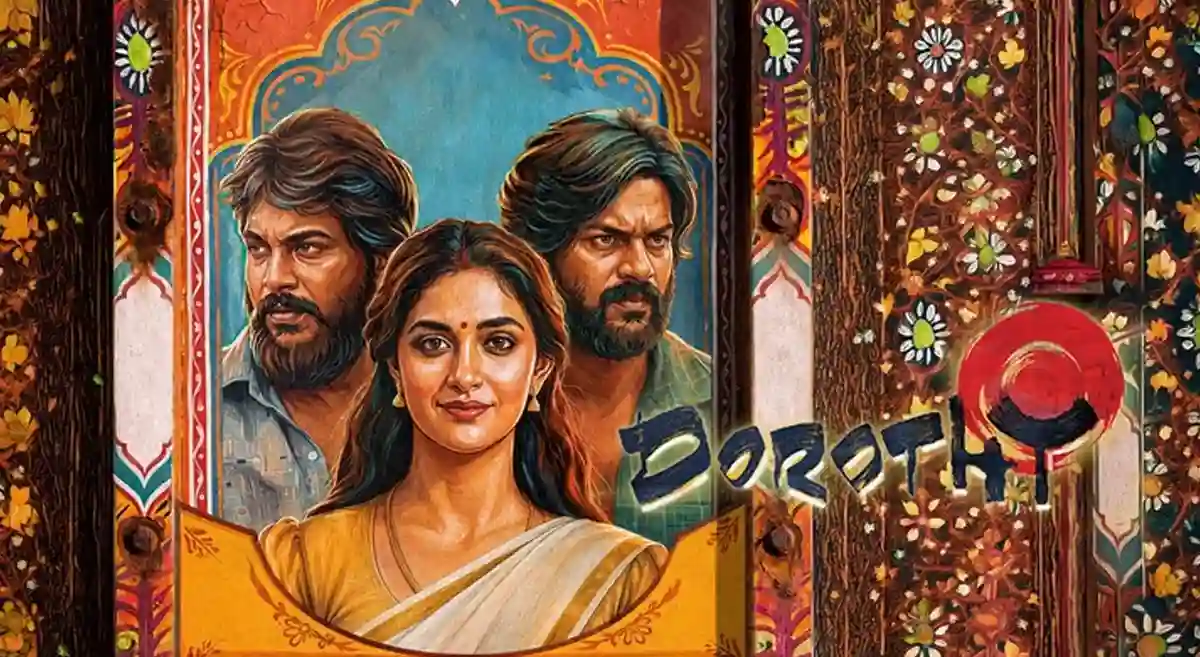
Karthik Subbaraj’s period drama ‘Dorothy’, starring Keerthy Suresh, clears the CBFC with an adult‑only “A” certificate after a few minutes are cut, sparking conversation about creative freedom in gritty period pieces.
The latest buzz from South Indian cinema – Karthik Subbaraj’s tenth directorial, “Dorothy”, starring Keerthy Suresh, has just emerged from the Central Board of Film Certification (CBFC) with an adult‑only "A" rating. The film, a meticulously crafted period drama set in the rustic heartland of Tamil Nadu, will now hit theatres after a brief runtime reduction mandated by the board.
The board’s decision to excise roughly five minutes of footage was aimed at softening some of the film’s more graphic sequences, which depict the harsh realities of agrarian life in the 1970s. While the cut has trimmed the overall length, Subbaraj assures that the narrative arc remains intact, and Keerthy’s performance as the resilient protagonist stays as powerful as ever.
For actors, the clearance is a reminder that bold, character‑driven stories can still find a place on the big screen, even if they must navigate regulatory guidelines. Directors like Subbaraj are pushing the envelope, blending commercial sensibilities with art‑house aesthetics, a blend that could inspire upcoming filmmakers to experiment with period storytelling.
Industry insiders note that the "A" certificate may limit the film’s family‑friendly reach, but it also positions “Dorothy” as a niche offering for mature audiences seeking gritty, authentic cinema. Streaming platforms are already showing interest, which could extend the film’s life beyond theatrical runs.
As the release date approaches, casting directors and producers are watching closely how “Dorothy” balances creative ambition with regulatory constraints. Keerthy Suresh’s involvement adds star power, while Subbaraj’s reputation for visual storytelling promises a compelling addition to the evolving landscape of Telugu‑Tamil crossover projects.