The five photos every actor's portfolio needs
By Screen Entry · 14 September 2026

A casting director gives your portfolio about eight seconds. These five images answer everything they need in that time — and anything beyond them is usually noise.
Most rejected portfolios are not rejected for being bad. They are rejected for being unreadable — twenty images that all say the same thing, or five that each say something different about who this person is.
A casting director opens your portfolio with one question: can I cast this person, and in what? Five images answer it. A sixth rarely adds anything, and a twelfth actively subtracts, because every extra image dilutes the impression the first five made.
1. The commercial headshot
Warm, open, approachable. A genuine half-smile — not a grin, and not the closed-mouth non-expression that reads as boredom. Plain background, minimal styling, eyes to camera.
This is the image that gets you seen for adverts, family roles, and anything where the brief says "likeable." It is also the one most people get wrong by over-styling it. The photograph is about your face. Everything else in the frame is competing with it.

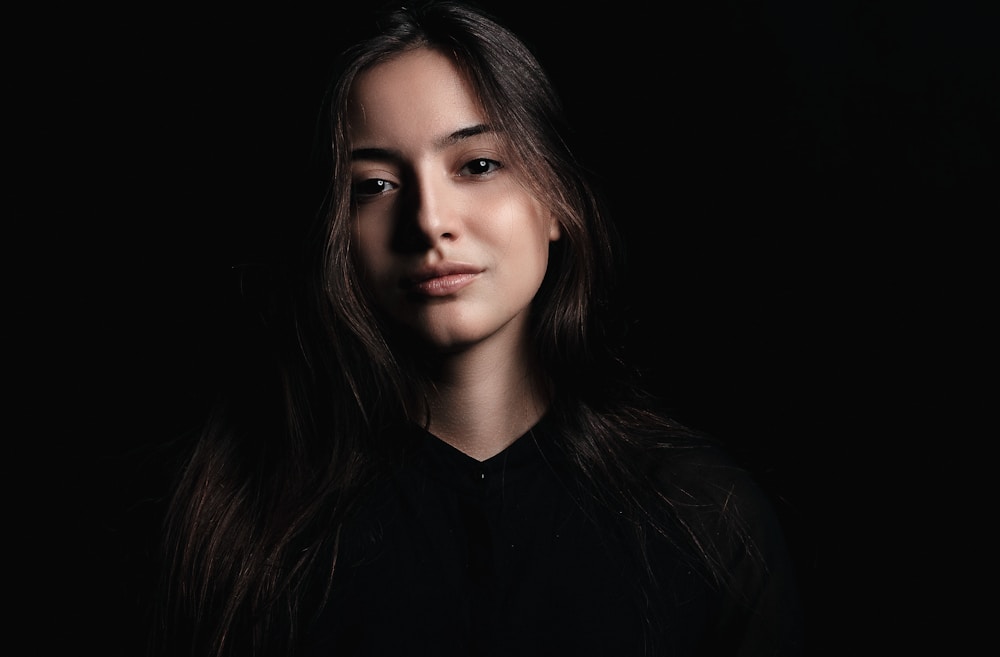
2. The dramatic headshot
Same person, different weather. Neutral or closed expression, cooler light, more contrast. Not a scowl — a scowl is a costume. Stillness, with something happening behind the eyes.
Together with the first image this is the range test. Two photographs, two registers, one recognisable person. That pairing tells casting more than any single image can.
3. The full-length
Head to feet, standing naturally, plain clothes that fit. This exists for one reason: height, build and proportion cannot be read from a headshot, and casting needs them before you walk into the room.
Wear something simple and close-fitting enough to show your actual shape. A baggy jacket in your only full-length is a wasted image — the frame no longer answers the question it was there to answer.

4. The character shot
The one image allowed to have an idea in it. Wardrobe, posture, a suggestion of environment — pointed at the roles you actually get called for.
The rule that makes this work: it must still obviously be you. A heavy transformation is a different person, which helps nobody. Think of it as your headshot wearing a hint of a role, not a role wearing your face.

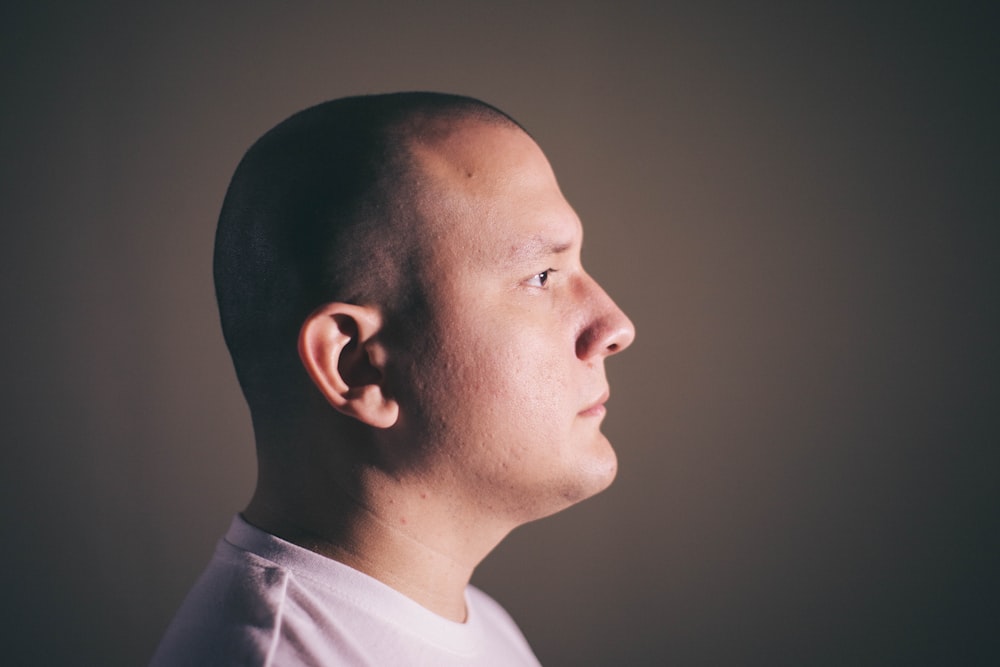
5. The clean profile
The least glamorous and most practical image in the set. A plain side-on or three-quarter view, no expression to speak of.
Casting uses it for continuity, for matching you against another actor already cast, and for judging bone structure that a front-on frame flattens. It is almost never the image anyone compliments, and it is regularly the image that gets you the callback.
What not to add
- **Old photographs.** If it is more than two years old, or you no longer look like it, it is working against you.
- **Group photos.** Casting should never have to guess which one you are.
- **Heavily filtered or beauty-app images.** They read instantly, and they read as insecurity.
- **Screen grabs from your reel.** Low resolution, wrong aspect, someone else's lighting. Link the reel instead.
Five photographs that agree with each other beat twenty that argue.
Before you upload
Look at your five side by side, at thumbnail size, the way casting will first see them. Ask one question: do these look like the same person, and could a stranger describe that person in a sentence?
If the answer is yes, the set is doing its job.