Rajamouli’s Bold Re‑imagining of the Ramayana Set in Varanasi
By Screen Entry Desk · 8 November 2026
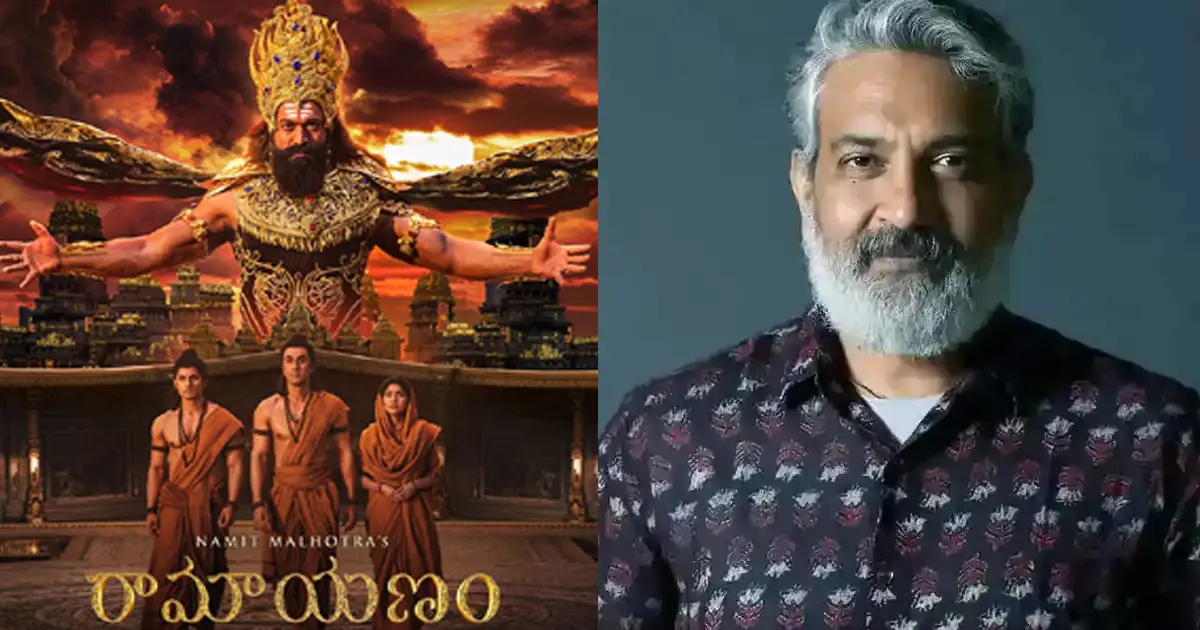
S.S. Rajamouli opts for a fresh, contemporary take on the epic Ramayana, choosing Varanasi’s timeless backdrop over grand mythic spectacles. The director explains why this nuanced approach is safer and more resonant for today’s audiences.
S.S. Rajamouli, the visionary behind blockbusters like *Baahubali* and *RRR*, has openly discussed the challenges of bringing the Ramayana to the big screen in its traditional, larger‑than‑life form. In today’s saturated market, a full‑scale mythological saga demands astronomical budgets, cutting‑edge VFX, and the risk of alienating viewers who expect fresh narratives. Rajamouli believes that the classic tale can still captivate, but only if it is presented through a lens that feels both relevant and intimate.
Instead of recreating the mythic kingdoms with towering palaces and celestial armies, the director has chosen Varanasi – the ancient city of ghats, temples, and spiritual fervor – as his narrative canvas. The city’s rich cultural tapestry offers a natural, lived‑in setting that can echo the moral and philosophical layers of the Ramayana without relying on extravagant set pieces. By grounding the story in a real, bustling locale, Rajamouli aims to highlight the human emotions at the core of the epic: duty, love, sacrifice, and redemption.
Rajamouli also points out that modern audiences are increasingly discerning about visual storytelling. While spectacular CGI can dazzle, it can’t replace a well‑crafted script and compelling performances. By focusing on character‑driven drama set against Varanasi’s evocative streets, the filmmaker hopes to deliver an experience that feels both mythic and personal. This strategy, he says, reduces financial risk while preserving the epic’s timeless essence.
The director’s decision reflects a broader shift in Tollywood, where filmmakers are experimenting with hybrid storytelling—blending myth with contemporary settings, and leveraging strong narratives over sheer visual scale. For actors and crew, this opens up opportunities to explore nuanced roles that demand depth rather than just spectacle. As production gears up, industry insiders are watching closely, eager to see whether Rajamouli’s calculated gamble will set a new benchmark for epic adaptations.
If the project succeeds, it could inspire a wave of reinterpretations that honor classic literature while speaking directly to today’s viewers. For fans of Rajamouli’s grand vision and for those who cherish the Ramayana’s moral teachings, the upcoming Varanasi‑set retelling promises a compelling fusion of heritage and modernity.