Kangana Ranaut’s X Remarks Spark FIR in Shimla
By Screen Entry Desk · 14 November 2026
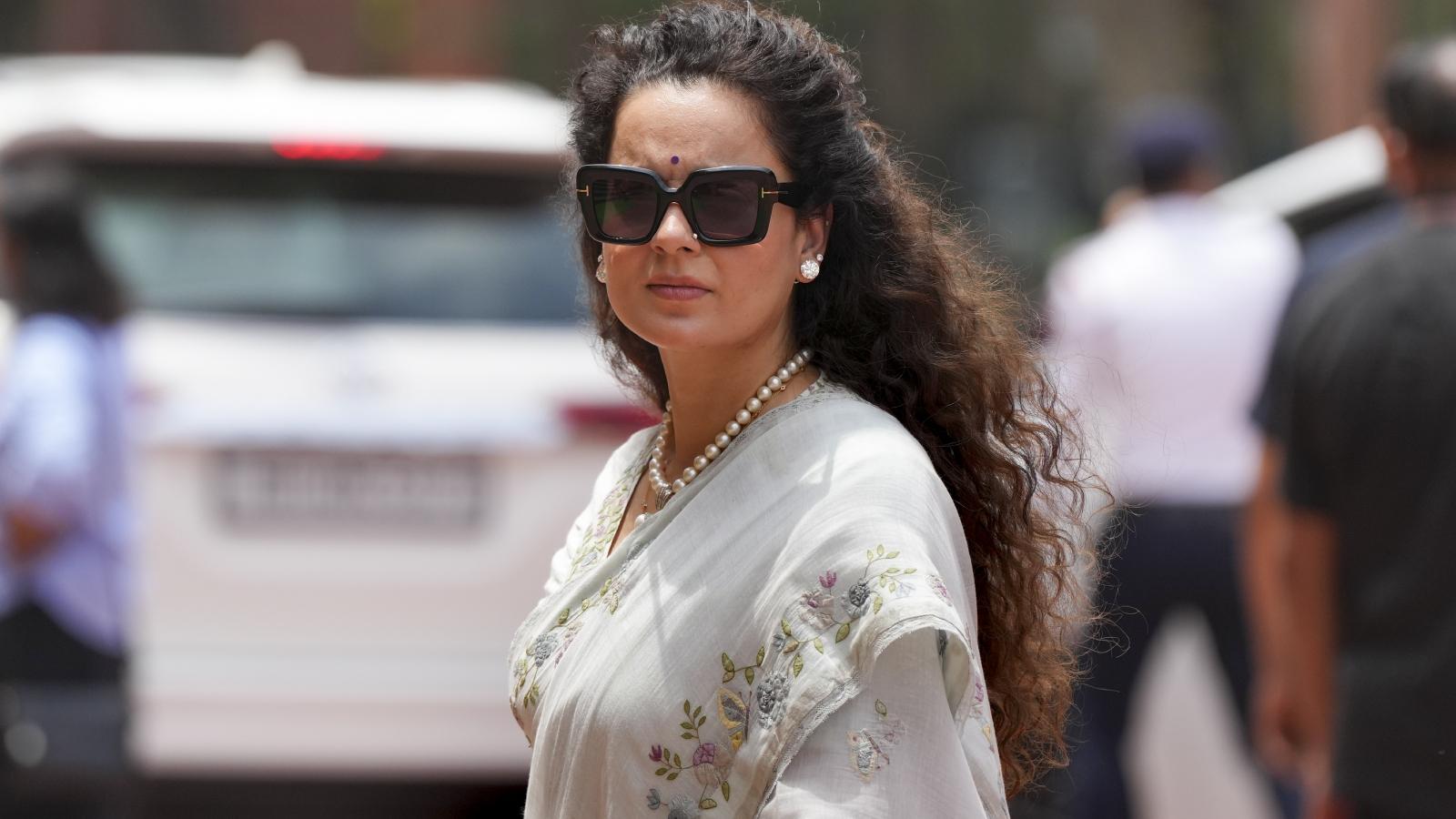
Actress‑politician Kangana Ranaut has been hit with a First Information Report after a retired army officer filed a complaint over her X posts about the Gandhi family. The case highlights how a single social‑media comment can spiral into legal trouble, a warning for everyone in the film world.
Veteran actress and BJP Member of Parliament Kangana Ranaut found herself on the wrong side of the law this week when a First Information Report (FIR) was lodged against her at the Shimla police station. The FIR stems from a series of posts she made on X, formerly known as Twitter, in which she criticised Sonia Gandhi and other members of the Gandhi clan. The remarks, which were posted in rapid succession, prompted a formal complaint by retired Captain Atul Sharma, a Shimla resident who argued that the statements were defamatory and hurt the sentiments of a prominent political family.
Captain Sharma’s complaint triggered the police to register the FIR under sections of the Indian Penal Code that deal with defamation and hurting religious or community sentiments. While the legal process is still in its early stages, the filing serves as a stark reminder that public figures, especially those who wear multiple hats as actors and politicians, must tread carefully on digital platforms. For many in Tollywood, the episode is a cautionary tale about the fine line between free expression and legal liability.
The incident has sparked a flurry of reactions across the industry. Directors and producers are now urging their talent pools to undergo media‑training sessions, emphasizing the importance of measured communication in an era where a single tweet can become headline news. Actors, who often juggle personal opinions with their public personas, are being reminded to consult legal counsel before airing politically charged views online.
Beyond the courtroom drama, the FIR has also ignited debate about the role of social media in shaping political discourse in India’s entertainment circles. While some fans defend Ranaut’s right to voice her opinions, others argue that her dual role as a lawmaker amplifies the impact of her words, making responsible usage even more critical. As the case progresses, the Tollywood community will be watching closely, hoping for a resolution that balances freedom of speech with respect for public sentiment.
In the meantime, industry insiders suggest that actors and filmmakers should prioritize clear guidelines for online conduct, perhaps even drafting standard clauses in contracts that address social‑media behavior. Such proactive steps could help mitigate future legal entanglements and preserve the creative focus that drives Telugu cinema forward.