Deepfake Scandal Sends Wake‑Up Call Through Tollywood
By Screen Entry Desk · 6 October 2026
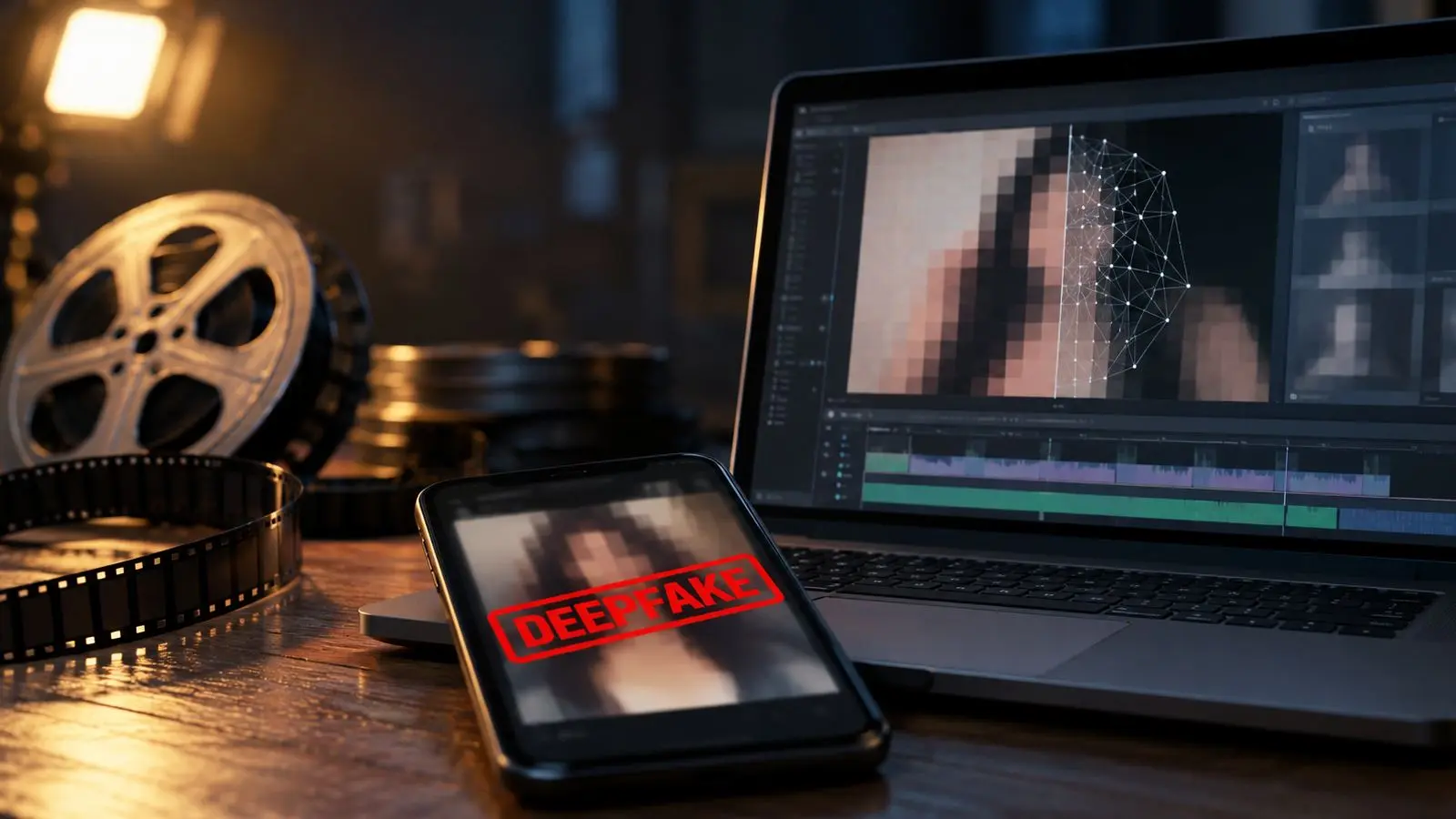
A fabricated video featuring Janhvi Kapoor has ignited a heated debate, exposing how unready the film fraternity is to combat image misuse. The controversy urges actors, directors and casting platforms to adopt stronger safeguards and rapid response systems.
The recent Janhvi Kapoor deep‑fake video, which spread like wildfire across social media, has become more than a fleeting gossip item. While the clip itself was quickly debunked, its ripple effect revealed a glaring gap in Tollywood’s ability to protect its talent from digital impersonation. For many industry insiders, the incident is a stark reminder that technology can weaponise a star’s likeness without consent.
Within hours, the actress issued a firm statement denouncing the manipulation, and a chorus of co‑workers – from fellow actors to prominent directors – publicly condemned the breach. Their unified voice, however, followed a familiar script: outrage, apology, and a promise to pursue legal recourse. What remained missing was a coordinated strategy to prevent such attacks before they surface.
Legal experts and cyber‑security consultants have begun urging production houses and casting agencies to adopt robust verification protocols, including watermarking of official images and real‑time monitoring tools. Some studios are already exploring AI‑driven detection software that can flag synthetic media, while unions are lobbying for stricter penalties against offenders. The conversation is shifting from reactive condemnation to proactive defense.
For casting platforms like Screen Entry, the episode is a call to action. By integrating biometric checks and offering educational resources on deep‑fake awareness, they can safeguard both emerging talent and established stars. As the line between reality and fabrication blurs, the industry’s collective response will determine whether such scandals become isolated mishaps or a catalyst for lasting reform.